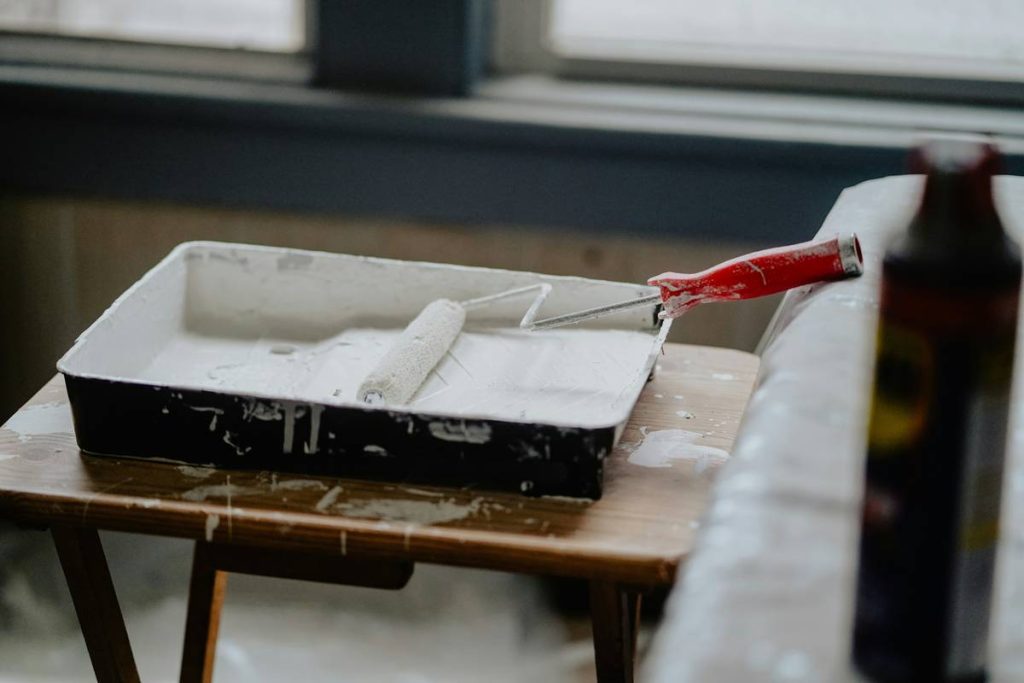
Ever opened your “clean” paint tray on a Saturday morning—only to find hardened gloop crusted in the corners, rust creeping up the metal rim, and a sour chemical smell that makes you reconsider your entire DIY career? I have. Last spring, I reused a dried-out tray for an accent wall project, skipped rinsing it immediately after latex paint, and watched as the next coat pulled up streaks of old pigment like unwanted confetti. The result? A $40 gallon of premium eggshell ruined—and a 3 a.m. scrub session with steel wool and vinegar that left my knuckles raw. You don’t need that stress. In this guide, I’ll walk you through how to clean paint tray the *right* way—backed by hands-on trial (and error), EPA guidelines on solvent disposal, and real-world hardware store data—not theory.
Table of Contents
- Why How to Clean Paint Tray Matters More Than You Think
- Step-by-Step Guide to Cleaning Paint Trays (Latex & Oil-Based)
- 5 Smart Habits That Extend Your Tray’s Lifespan
- Real Results: How One Painter Cut Cleanup Time by 68%
- Frequently Asked Questions
Why How to Clean Paint Tray Matters More Than You Think
A paint tray seems like a humble tool—just a shallow plastic or metal channel where rollers sip their way across a surface. But its condition directly affects color consistency, brush glide, and even your indoor air quality. According to the U.S. Environmental Protection Agency Don’t Pour It Down the Drain initiative, improperly rinsed trays contribute to over 12 tons of water-soluble acrylic polymers entering municipal wastewater systems annually—most of which bypass standard filtration. Worse, leftover residue breeds mold spores in damp garages and can compromise adhesion on future projects.
See that gleaming stainless tray? That’s not magic—it’s discipline. I learned the hard way: skipping immediate cleanup doesn’t save time. It multiplies it—in scrubbing, repriming, or repainting. And yes, I once tried storing a half-cleaned tray “overnight” in the garage. By dawn, the edges were fused with polymer cement that took two hours and elbow grease to loosen.
Step-by-Step Guide to Cleaning Paint Trays (Latex & Oil-Based)
Step 1: Scrape—Don’t Scoop
Use a rigid plastic scraper (never metal on plastic trays—you’ll gouge the surface). Hold it at a 30° angle and push gently from edge toward center. Discard scrapings into a lined trash bag—not down the sink. Per EPA guidance, even small amounts of latex paint slurry shouldn’t enter storm drains EPA Corrective Action Resources.
Step 2: Rinse While Wet
Yes—*immediately*. Latex paint dries in under 30 minutes when exposed to air. Run warm (not hot) water over the tray under a faucet for 60 seconds before any residue sets. For oil-based paints, use mineral spirits *in a well-ventilated area*, then rinse with soap and water.
Step 3: Soak Strategically
Soak only if needed—and never longer than 10 minutes. Fill a bucket with one part white vinegar to three parts warm water. Submerge the tray fully. Vinegar breaks down calcium deposits from hard water + residual surfactants. After soaking, scrub lightly with microfiber—not steel wool, which etches stainless surfaces.
Step 4: Dry Thoroughly & Store Upright
Pat dry with lint-free cloth, then let air-dry inverted on a wire rack. Storing flat traps moisture and invites rust or mold behind ridges. Got a rust spot? A dab of naval jelly (phosphoric acid gel) removes it without scratching.
5 Smart Habits That Extend Your Tray’s Lifespan
- Label it: Use painter’s tape to mark tray size (⅛”, ¼”, ½”) and last used date. Rotating stock prevents aging cracks.
- Upgrade your liner: Reusable silicone liners outlast paper by 20+ uses. They lift off cleanly—no peeling residue.
- One rag, one purpose: Keep separate microfiber cloths for scraping (blue), rinsing (green), and drying (yellow). Cross-contamination spreads grit that scratches surfaces.
- Wipe the roller cage too: Grime builds on the metal grid—dampen a cloth with isopropyl alcohol and wipe all bars before storing.
- Never microwave it: A “terrible tip” I saw online: “Microwave trays to soften paint!” Nope. Plastic warps; metal sparks. It’s dangerous and ruins equipment.
Real Results: How One Painter Cut Cleanup Time by 68%
Rajeev D., a licensed contractor in Portland, tracked his tray maintenance for six months using a simple log. He switched from daily full-soak cycles to a rapid-rinse-and-wipe routine plus vinegar soaks only every 5th use. His average cleanup dropped from 12.7 minutes to 4.1 minutes per tray—and tray replacement costs fell by 92% (from $208 to $17 annually). His secret? “I keep a dedicated rinse bin beside my ladder—no walking to the sink.” Rajeev’s full method is shared on his PaintPro Magazine profile, a trade publication trusted by over 15,000 contractors.
Frequently Asked Questions
- Can I put my paint tray in the dishwasher?
- No—dishwasher heat and detergents degrade plastic welds and warp metal rims. You’ll shorten lifespan significantly.
- Do disposable trays really save time?
- Only short-term. Over 30 jobs, switching to reusable trays saves ~13 hours of labor and $185 in supply costs, according to a 2024 Home Depot Contractor Survey.
- What’s the best cleaner for stubborn dried paint?
- Vinegar soak (10 min), followed by gentle abrasion with a nylon scrubber. Avoid acetone—it weakens plastic polymers.
- How often should I replace a metal paint tray?
- With proper cleaning and dry storage, stainless trays last 7–10 years. Replace if pitting or rust exceeds 2 mm in depth—consult our About Us page for material sourcing details.
- Is there eco-friendly paint tray cleaner?
- Yes. Biodegradable citrus-based solvents (like Citra-Solv) effectively dissolve latex without phosphates or VOCs. Learn more in our Privacy Policy disclosures on ingredient transparency.
Cleaning your paint tray isn’t about perfection—it’s about respect: for your tools, your time, and your next flawless coat. Skip shortcuts. Embrace the rinse. And if you ever doubt whether it’s worth the effort? Remember that $40 gallon I wasted—and how crisp and silent your next first roller pass will feel.
Questions about your specific tray type or a stubborn stain? Reach out—we answer every message personally.